 Business License
How to Choose the Right Stainless Steel Reactor for Chemical Applications
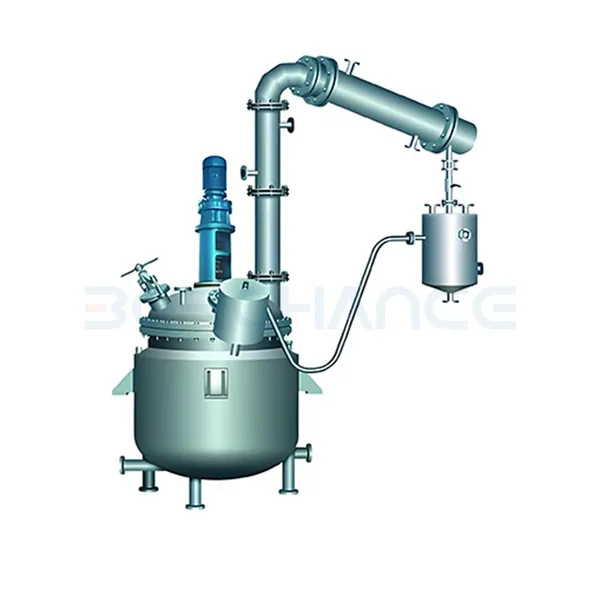
In chemical projects, a reactor is far more than just a vessel with the right volume.
Many overseas buyers focus mainly on capacity and price, while overlooking process conditions, heat transfer design, and agitation configuration. As a result, the equipment may operate, but not efficiently or reliably.
Step 1: Define the Key Process Parameters
Before selecting a reactor, the following information should be clearly defined:
Properties of the process medium (corrosive, viscous, fouling tendency)
Design temperature and operating pressure
Batch or continuous operation
These parameters directly determine material selection, wall thickness, and whether the reactor must comply with pressure vessel standards.
Step 2: Select the Proper Heating and Cooling Method
Common heating methods for stainless steel reactors include:
Jacket heating (steam, electric, or thermal oil)
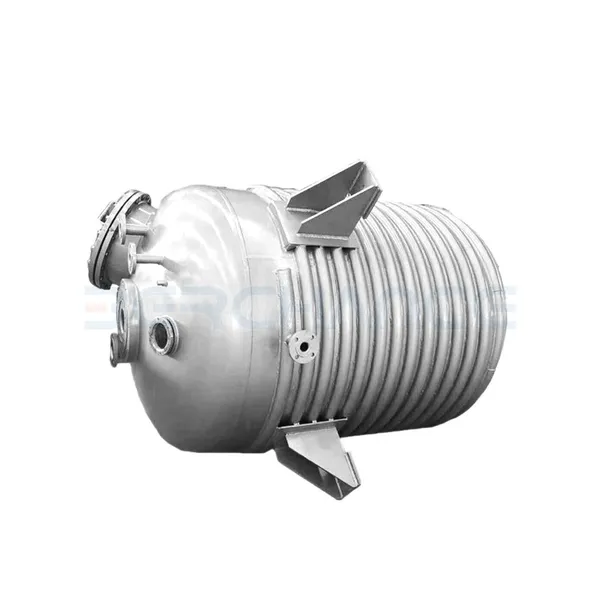
Internal coil heating or cooling
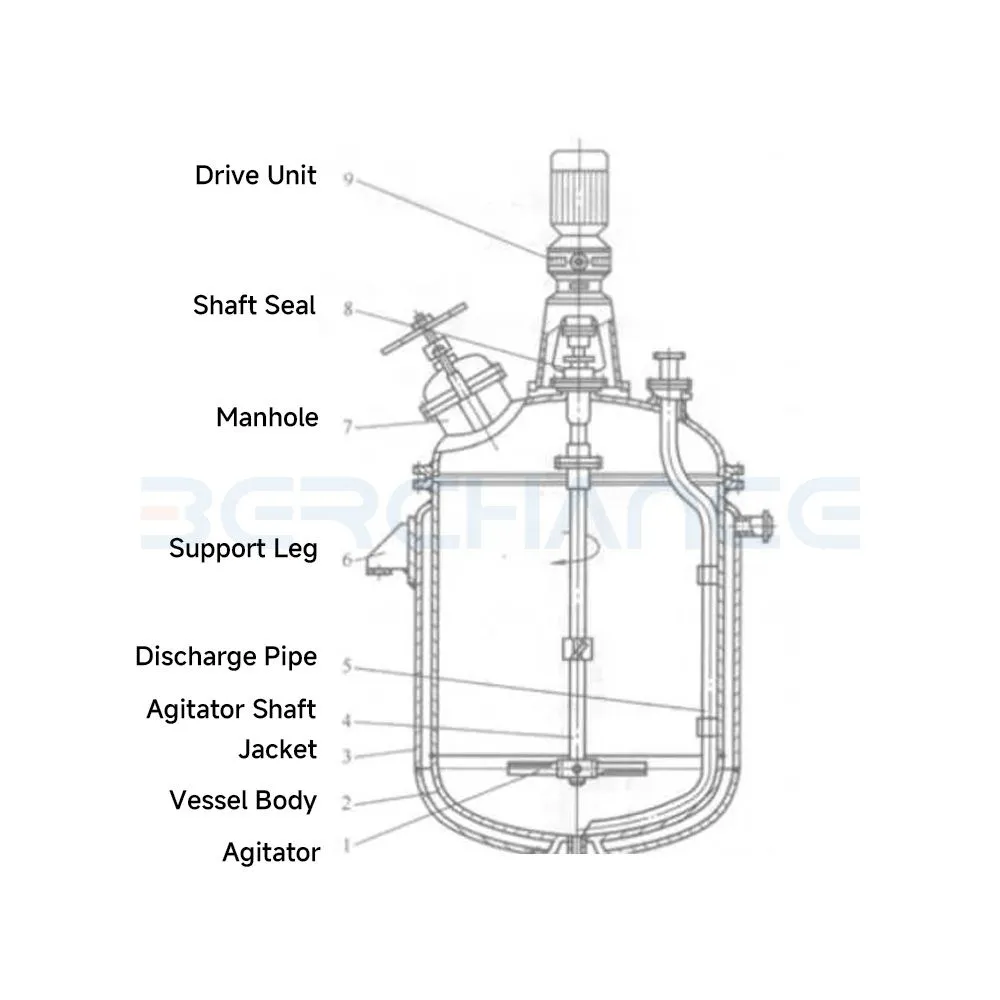
For medium- to high-temperature reactions requiring precise control, thermal oil jackets or internal coils are often preferred. When heat transfer efficiency is critical, the actual heat exchange area and flow pattern matter more than simply having a jacket.
Step 3: Do Not Ignore Agitation Design
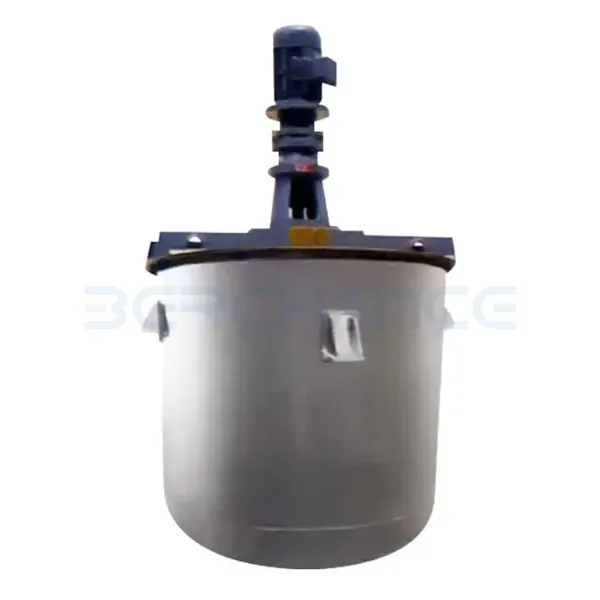
Agitator selection directly affects reaction uniformity and heat transfer.
Low-viscosity media typically work well with paddle or propeller agitators, while high-viscosity or settling materials require anchor or ribbon agitators. Incorrect agitation design is a common cause of long reaction times or localized solidification.
Conclusion
A properly selected reactor should serve the process—not force the process to adapt to the equipment. For chemical applications, thoughtful selection at the beginning saves significant time and cost later.
Recently Posted
-
What Technical Information Is Required Before Customizing a Reactor?
January 5, 2026During reactor customization, clear technical information is essential to ensure proper equipment design.Incomplete data often lea Read More
 -
Key Differences Between Laboratory Reactors and Industrial Reactors
January 5, 2026Many projects begin with laboratory reactors for process validation before scaling up to industrial production.However, a laborato Read More
 -
Different Reactor Design Requirements in Chemical, Pharmaceutical, and Food Industries
January 5, 2026Although reactors are widely used across multiple industries, design requirements vary significantly depending on the application.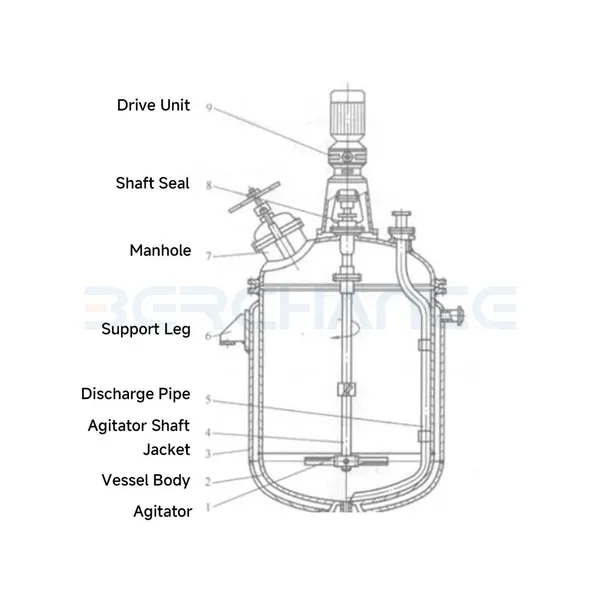 Read More
 -
Jacketed Reactor vs Coil Reactor: Which Is Better for Your Process?
January 5, 2026Temperature control plays a critical role in chemical reactor performance, directly affecting product quality and energy consumpti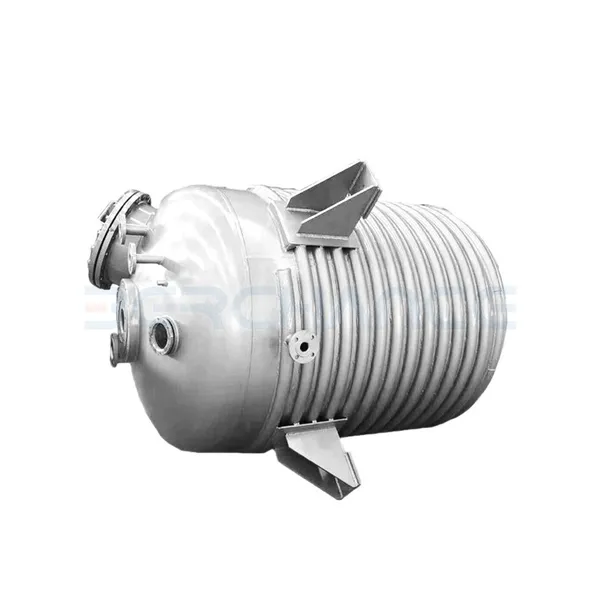 Read More

Contact Us
Recommended Products
-
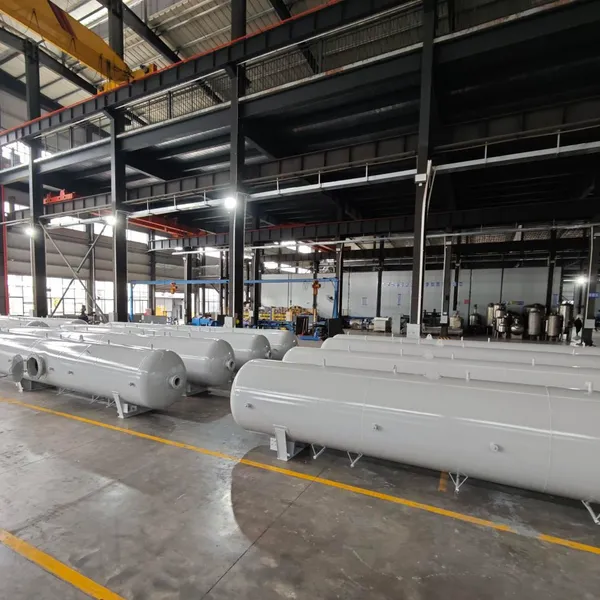
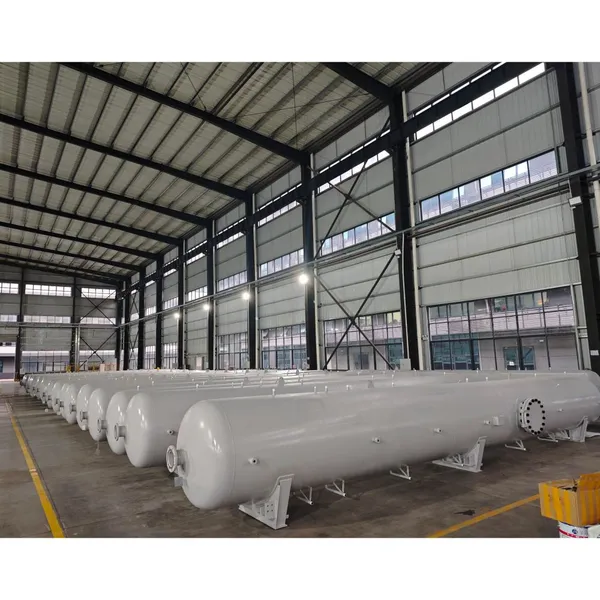
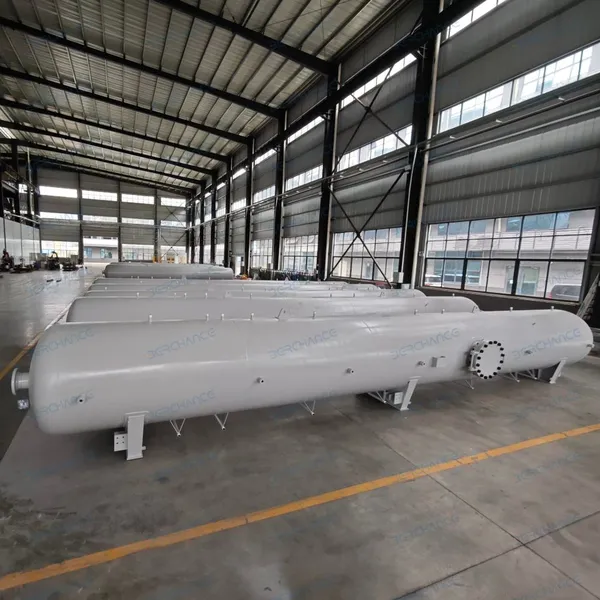
 ASME Certification AI Computing Cluster Chilled Water Storage TankNegotiableMOQ: 1 Piece
 -
ASME Certification AI Data Center Chilled Water Storage Thermal Pressure VesselNegotiableMOQ: 1 Piece
-
ASME Certification Carbon Steel High-Performance Server Cooling System Buffer TankNegotiableMOQ: 1 Piece
-
ASME Certification Stainless Steel AI Computing Data Center Liquid Cooling Buffer TankNegotiableMOQ: 1 Piece
-
Pressure Vessel AI Data Center High-Efficiency Liquid Cooling Buffer TankNegotiableMOQ: 1 Piece
-
Heavy Duty Chemical Reactor Reaction Vessel & 16mm Thick Pressure VesselNegotiableMOQ: 1 Piece
-
Vertical Type Chemical Reactor Pressure Vessel & Jacketed Reaction VesselNegotiableMOQ: 1 Piece
-
Plasma Welding Chemical Reactor Reaction Vessel & Reliable Pressure VesselNegotiableMOQ: 1 Piece
-
GMP Standard Chemical Reactor Pressure Vessel & Stainless Steel Reaction VesselNegotiableMOQ: 1 Piece
-
High Pressure 10MPa Reaction Vessel & Chemical Reactor Storage Pressure VesselNegotiableMOQ: 1 Piece
-
Industrial Grade Reaction Vessel Chemical Reactor & Stainless Steel Pressure VesselNegotiableMOQ: 1 Piece
-
Customized 1000L-5000L Chemical Reactor Reaction Vessel & High Pressure VesselNegotiableMOQ: 1 Piece
-
Jacketed Stainless Steel Chemical Reactor Pressure Vessel for Industry Reaction VesselNegotiableMOQ: 1 Piece
-
16mm Wall Thickness Stainless Steel Reaction Vessel & Chemical Reactor Pressure VesselNegotiableMOQ: 1 Piece
-
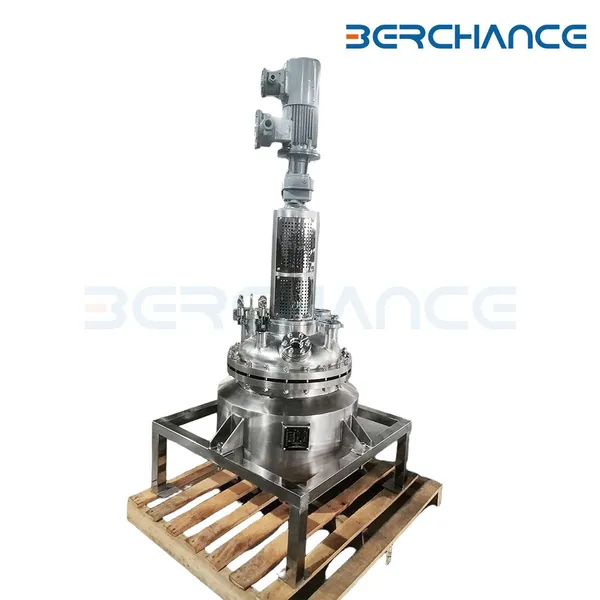
ASME Certified 10MPa Chemical Reactor Pressure Vessel With Agitator Reaction VesselNegotiableMOQ: 1 Piece
-
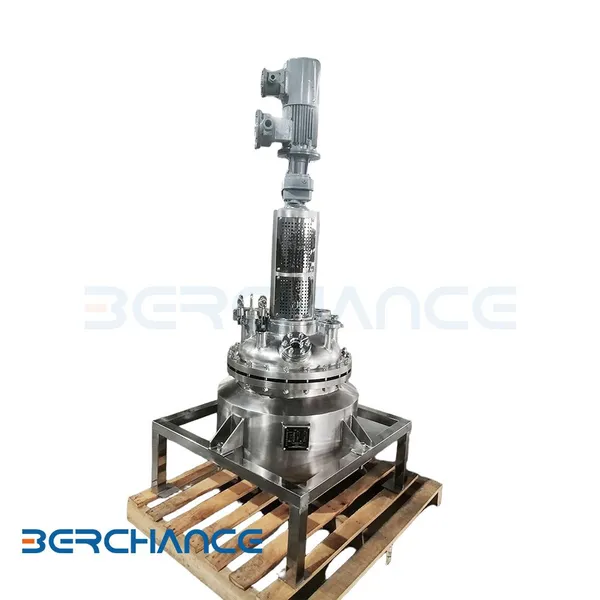
High Pressure Outside Coil Heating Stainless Steel Chemical Reactor FactoryNegotiableMOQ: 1 Piece
-
High Speed Dispersing Reactor High Shear Mixing Tank for Paint & InkNegotiableMOQ: 1 Piece
-
Industrial Stainless Steel Electric Heating Jacketed Stirred Tank ReactorNegotiableMOQ: 1 Piece
-
Low-Speed Anchor Stirred Tank Reactor With High Torque MotorNegotiableMOQ: 1 Piece
-
Jacketed Heating Stainless Steel Resin Reactor for Unsaturated Polyester IndustryNegotiableMOQ: 1 Piece