 Business License
Key Differences Between Laboratory Reactors and Industrial Reactors
Many projects begin with laboratory reactors for process validation before scaling up to industrial production.
However, a laboratory reactor is not simply a smaller version of an industrial reactor.
Structural and Mechanical Differences
Laboratory reactors operate under light loads, while industrial reactors must withstand long-term continuous operation. This places higher demands on structural strength, welding quality, and seal durability.
Temperature Control and Heat Transfer
Lab-scale systems often rely on simple electric heating or oil baths. Industrial reactors must address:
Effective heat transfer area
Temperature response speed
Energy consumption and operating costs
Safety and Regulatory Compliance
Industrial reactors are often subject to pressure vessel or safety regulations, which are typically not a primary concern at the laboratory scale.
Scale-Up Effects Matter
When scaling up, flow patterns, heat transfer, and mixing behavior change significantly—one of the main challenges in industrial reactor design.
Recently Posted
-
What Technical Information Is Required Before Customizing a Reactor?
January 5, 2026During reactor customization, clear technical information is essential to ensure proper equipment design.Incomplete data often lea Read More
 -
Different Reactor Design Requirements in Chemical, Pharmaceutical, and Food Industries
January 5, 2026Although reactors are widely used across multiple industries, design requirements vary significantly depending on the application. Read More
 -
Jacketed Reactor vs Coil Reactor: Which Is Better for Your Process?
January 5, 2026Temperature control plays a critical role in chemical reactor performance, directly affecting product quality and energy consumpti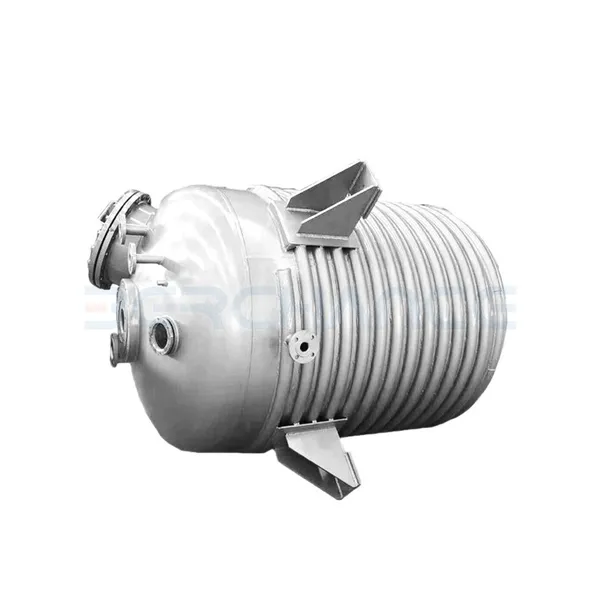 Read More
 -
How Different Agitator Types Affect Reactor Performance
January 5, 2026In reactor design, the importance of the agitation system is often underestimated.Even with a well-designed vessel and heating sys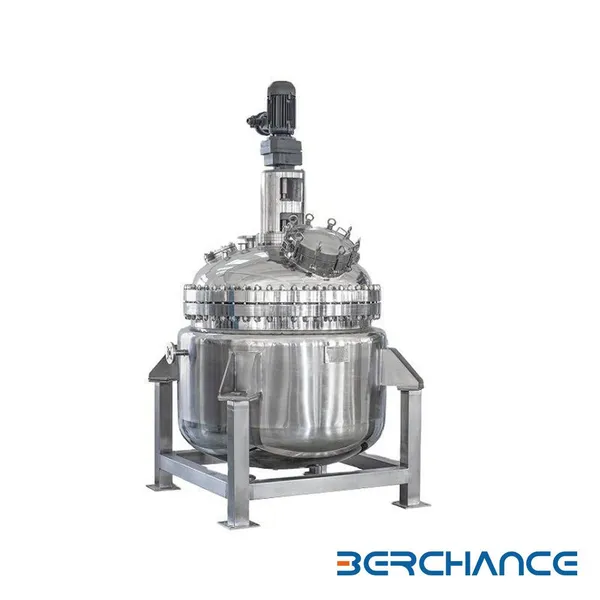 Read More

Contact Us
Recommended Products
-
 ASME Certification AI Computing Cluster Chilled Water Storage TankNegotiableMOQ: 1 Piece
 -
ASME Certification AI Data Center Chilled Water Storage Thermal Pressure VesselNegotiableMOQ: 1 Piece
-
ASME Certification Carbon Steel High-Performance Server Cooling System Buffer TankNegotiableMOQ: 1 Piece
-
ASME Certification Stainless Steel AI Computing Data Center Liquid Cooling Buffer TankNegotiableMOQ: 1 Piece
-
Pressure Vessel AI Data Center High-Efficiency Liquid Cooling Buffer TankNegotiableMOQ: 1 Piece
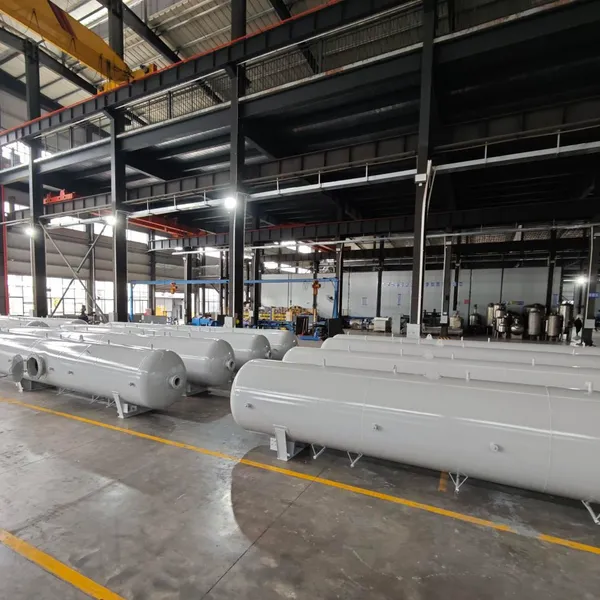
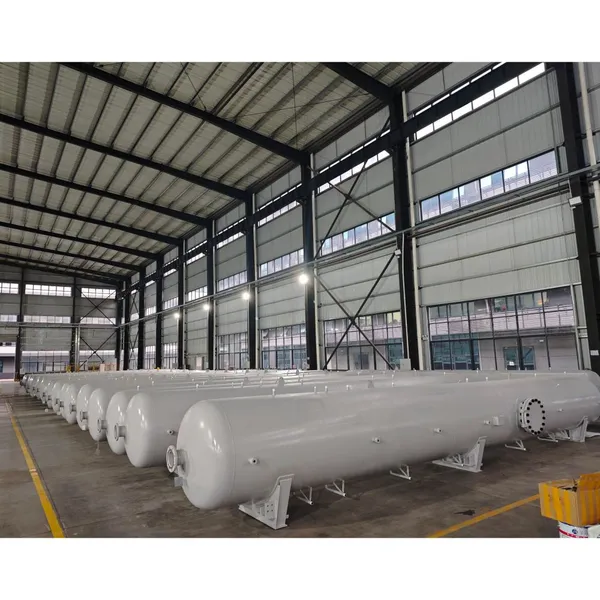
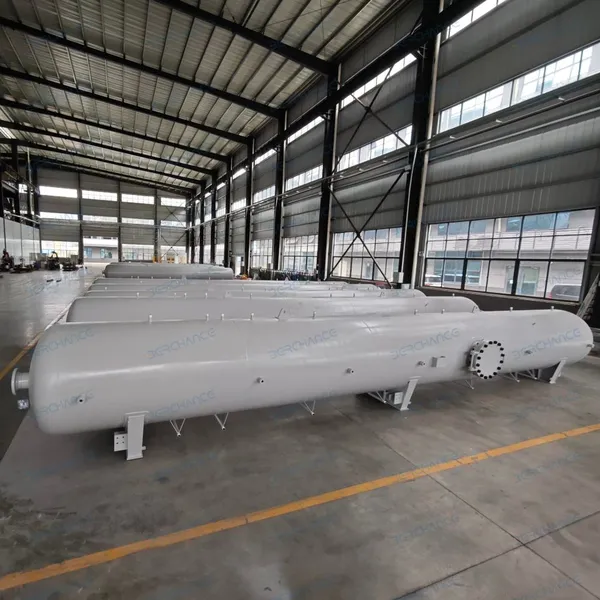
-
Heavy Duty Chemical Reactor Reaction Vessel & 16mm Thick Pressure VesselNegotiableMOQ: 1 Piece
-
Vertical Type Chemical Reactor Pressure Vessel & Jacketed Reaction VesselNegotiableMOQ: 1 Piece
-
Plasma Welding Chemical Reactor Reaction Vessel & Reliable Pressure VesselNegotiableMOQ: 1 Piece
-
GMP Standard Chemical Reactor Pressure Vessel & Stainless Steel Reaction VesselNegotiableMOQ: 1 Piece
-
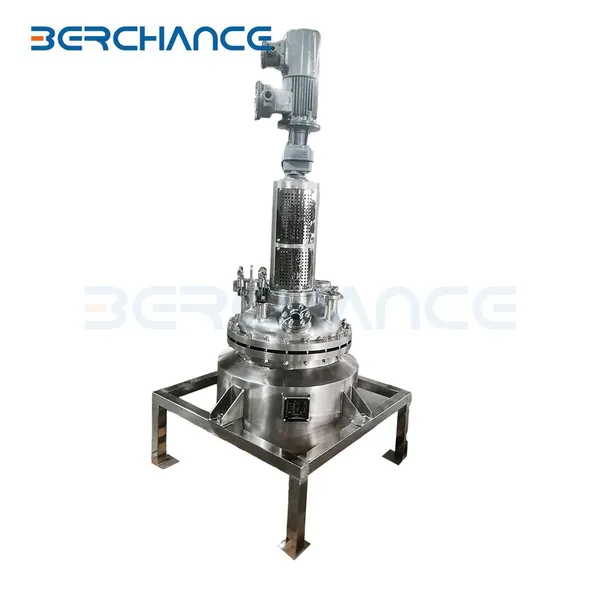
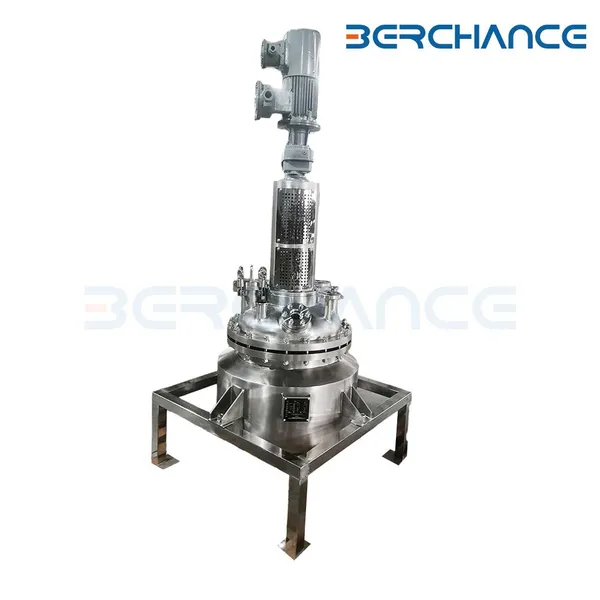
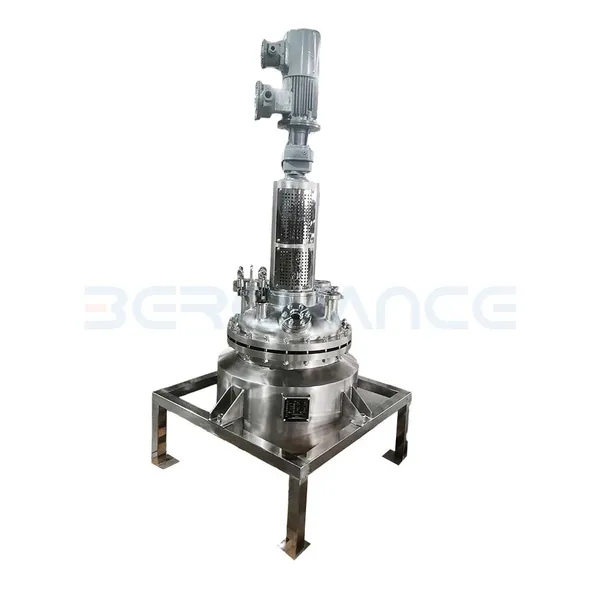
High Pressure 10MPa Reaction Vessel & Chemical Reactor Storage Pressure VesselNegotiableMOQ: 1 Piece
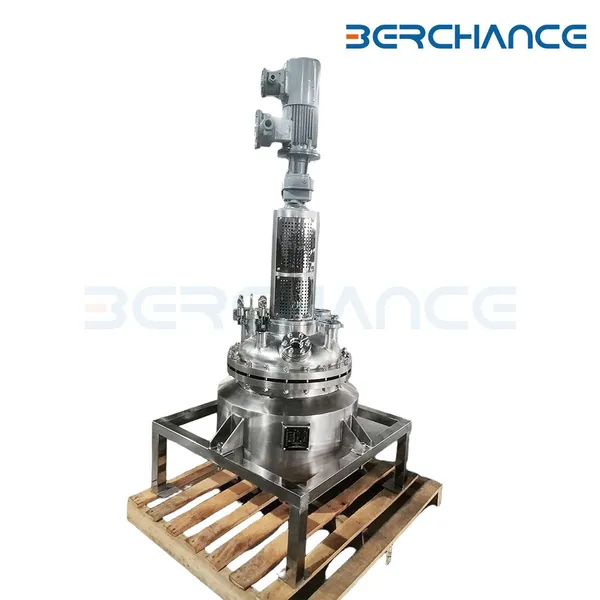
-
Industrial Grade Reaction Vessel Chemical Reactor & Stainless Steel Pressure VesselNegotiableMOQ: 1 Piece
-
Customized 1000L-5000L Chemical Reactor Reaction Vessel & High Pressure VesselNegotiableMOQ: 1 Piece
-
Jacketed Stainless Steel Chemical Reactor Pressure Vessel for Industry Reaction VesselNegotiableMOQ: 1 Piece
-
16mm Wall Thickness Stainless Steel Reaction Vessel & Chemical Reactor Pressure VesselNegotiableMOQ: 1 Piece
-
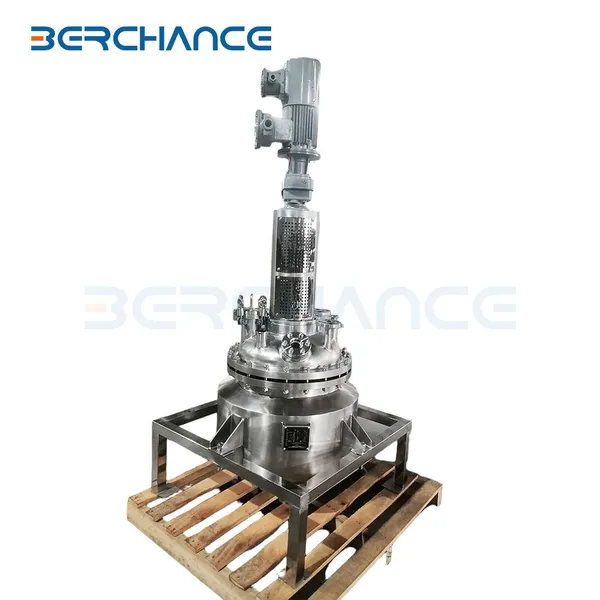
ASME Certified 10MPa Chemical Reactor Pressure Vessel With Agitator Reaction VesselNegotiableMOQ: 1 Piece
-
High Pressure Outside Coil Heating Stainless Steel Chemical Reactor FactoryNegotiableMOQ: 1 Piece
-
High Speed Dispersing Reactor High Shear Mixing Tank for Paint & InkNegotiableMOQ: 1 Piece
-
Industrial Stainless Steel Electric Heating Jacketed Stirred Tank ReactorNegotiableMOQ: 1 Piece
-
Low-Speed Anchor Stirred Tank Reactor With High Torque MotorNegotiableMOQ: 1 Piece
-
Jacketed Heating Stainless Steel Resin Reactor for Unsaturated Polyester IndustryNegotiableMOQ: 1 Piece